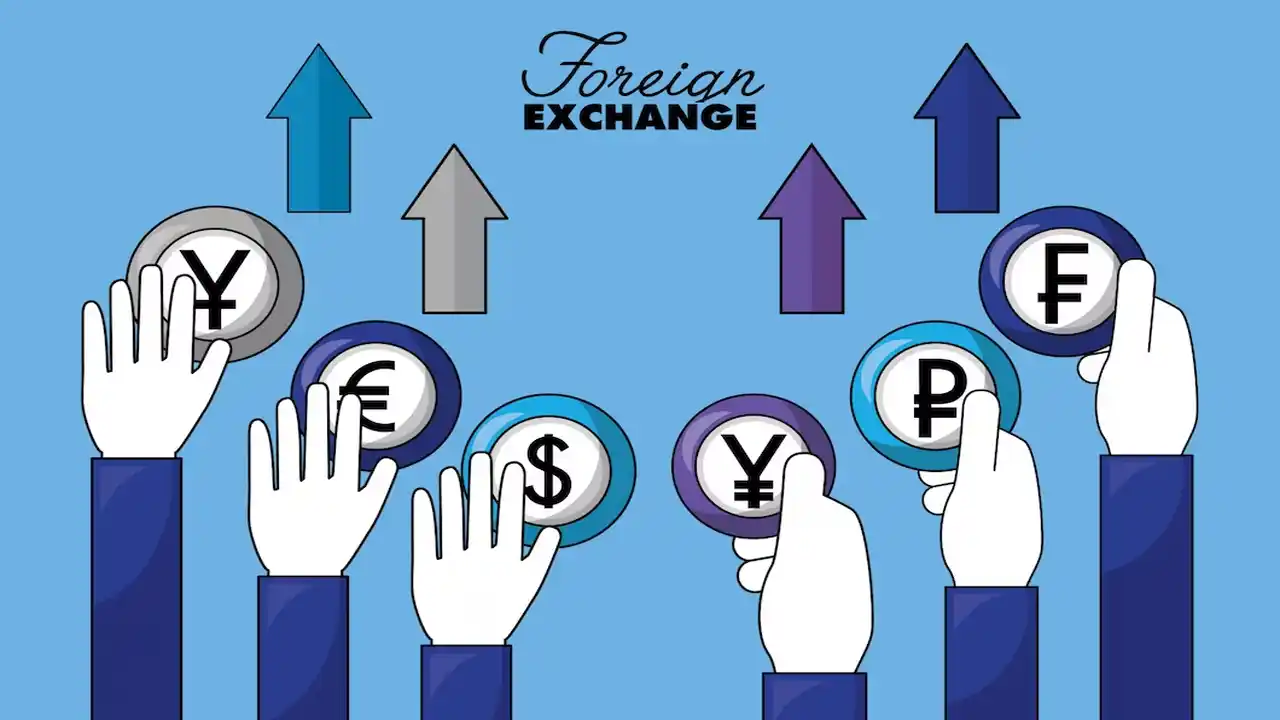
The Foreign Exchange Market (Forex) is the most liquid and pivotal stock exchange in the world. This makes it crucial to comprehend its multifarious objectives and act accordingly. The purpose of the Foreign Exchange (Forex) Market is to increase the value of currencies worldwide. There are many upsides to participating in the Forex market. Making money is the primary and primary goal of your education. Second, the Foreign Exchange Market frees up more usable cash and financial resources. Check out these objectives of foreign exchange market to broaden your horizons.
The flow of money throughout the world is influenced by the foreign currency market just as much as it is by international trade and business. This means that its benefits and drawbacks are comparable to those of other forms of security. States are more inclined to utilize it if they believe that doing so will help them achieve their economic goals through altering the behavior of market participants.
Objectives of Foreign Exchange Market
The purpose of the Foreign Exchange Market (Forex) is to allow currency holders to maximize their wealth by increasing the value of their currency. To rephrase, the foreign exchange market is a platform for the exchange of one currency for another. However, the authorities restrict the participation in this market, allowing only a select few despite the diversity of potential participants. However, the Foreign Exchange Market is an excellent entry point for most of us into the trading profession. This page discusses objectives of foreign exchange market in detail.
To Protect the Home Business
The foreign exchange market could be used to insulate domestic industries from the negative consequences of overseas competition. To achieve this objective, the government manipulates currency exchange markets to restrict imports. As a result, firms in the country can thrive without worrying about foreign competition wiping them out.
To Look at Changes in the Economy
Globalization has facilitated the spread of economic cycle shifts like depressions and inflations from one country to another. The foreign exchange markets actively prevent the spread of trouble-causing items by limiting product purchases and exports.
Helpful for Making Plans
The foreign exchange market is a critical component of any well-thought-out economic strategy. To achieve the intended degree of economic growth, the government must actively build up, safeguard, and intelligently utilize foreign exchange reserves. The framework that operates the foreign currency market was established with these aims in mind.
Undervaluation
Governments deliberately undervalue a currency by pegging it below its free market value. Since an undervalued currency reduces the cost of exports, it also drives up the cost of imported goods. It is standard practice to artificially depress the value of a currency in order to stimulate exports, restrict imports, and drive up overall prices.
Overvaluation
Overvaluation happens when a currency is determined at a rate higher than what the free market would establish. “Pegging up” is another term for this action. Overvaluation drives down the price of imported items while driving up the price of exported goods since it makes the local currency more expensive to acquire for individuals in other countries. The idea to overvalue the currency is an attempt to lower the cost of imports and assist the country pay its debts to other nations.
To Make up for a Bad Balance of Payments
A country may decide to participate in the foreign exchange market system if it has a negative balance of payments and does not choose to abandon the process of adjusting to fluctuating foreign currency rates or deflation. By participating in the forex market, imports can be managed such that they never exceed the available foreign exchange reserves. The trade surplus and deficit are now both zero.
To Make Sure no Unwanted Goods Get in
The value of the foreign exchange market also lies in its ability to prevent the import of commodities that are either unnecessary, harmful, or socially unacceptable. Likewise, the central bank will impose a cap on the amount of foreign currency that individuals and corporations can purchase. Managing the exchange rate of a country’s currency and preventing its currency from leaving the country are only two of the many possible uses for currency management.
To Save Money on Foreign Currency
A country can maintain healthy foreign exchange reserves through the foreign exchange market by increasing exports. Paying off foreign debt, importing growth-boosting items, and stocking up on defense equipment are the only legal uses for the country’s reserves.
To Treat People Differently in Trade
For instance, the foreign exchange market enables the use of unfair economic tactics in the context of international trade as the government sets exchange rates to benefit the nations with which it conducts trade.
How Much Money i Make
Currency trading on the foreign exchange market is another way the government might generate revenue. In a system with multiple exchange rates, if the selling rate exceeds the buying rate, the government guarantees a flow of money equal to the difference between the selling and buying rates.
To Check on Enemy Countries
Foreign exchange market manipulation is a means by which some governments seek to harm others by restricting the use of their international assets. Laws that make it illegal for citizens of an enemy country to use or transfer their assets result in the muddling of their assets.
To Stabilise Exchange Rate
The government may try to prevent excessive currency market swings by intervening in the market. In a free exchange market, participants should expect and address fluctuating exchange rates accordingly. These shifts throw a country’s economic activity out of whack. Maintaining a steady exchange rate can mitigate the effects of such shifts.
FAQ
How do Countries Get Money from other Countries?
When a nation’s export earnings exceed its import costs, the difference is saved in the form of foreign exchange reserves. A positive current account balance allows a government to keep all of the extra foreign cash it earns. The national bank is able to put away more funds as a result.
Who Sets the Rate of Exchange?
In a “floating regime,” currency exchange rates are typically determined by supply and demand forces. The US dollar, Eurozone Euro, Japanese yen, and British pound sterling, along with the rest of the world’s major currencies, have all had freely fluctuating exchange rates for quite some time.
How Many Reserve Coins are There?
Experts generally agree that alongside the euro, the yen, the pound, the renminbi (RMB), the Canadian dollar, the Swiss franc, and the Australian dollar, the US dollar is one of the world’s key reserve currencies. Other significant other currencies include the Euro and the Renminbi (RMB). Reserve currency refers to the money supply held in significant quantities by central banks.
Final Words
The foreign currency market is massive, both in terms of the volume of transactions and the ease with which new participants can enter the scene. Over-the-counter transactions can be conducted with any form of currency. The foreign exchange market differs from other markets in that no actual currency transaction takes place. In addition to these benefits, buying foreign exchange has many others. Let’s have a look at them, shall we? Read on to discover everything there is to know about objectives of foreign exchange market and to become a subject matter expert on it. To gain insights on types of foreign exchange market, read this article.