Options market participants are given the opportunity to buy or sell a currency at a specified price by a specified date. The NSE is one such centralized exchange. All of the same currencies that are traded on the NSE currency futures market are also available here. The types of forex market will be covered in-depth in this article, along with some examples for your convenience.
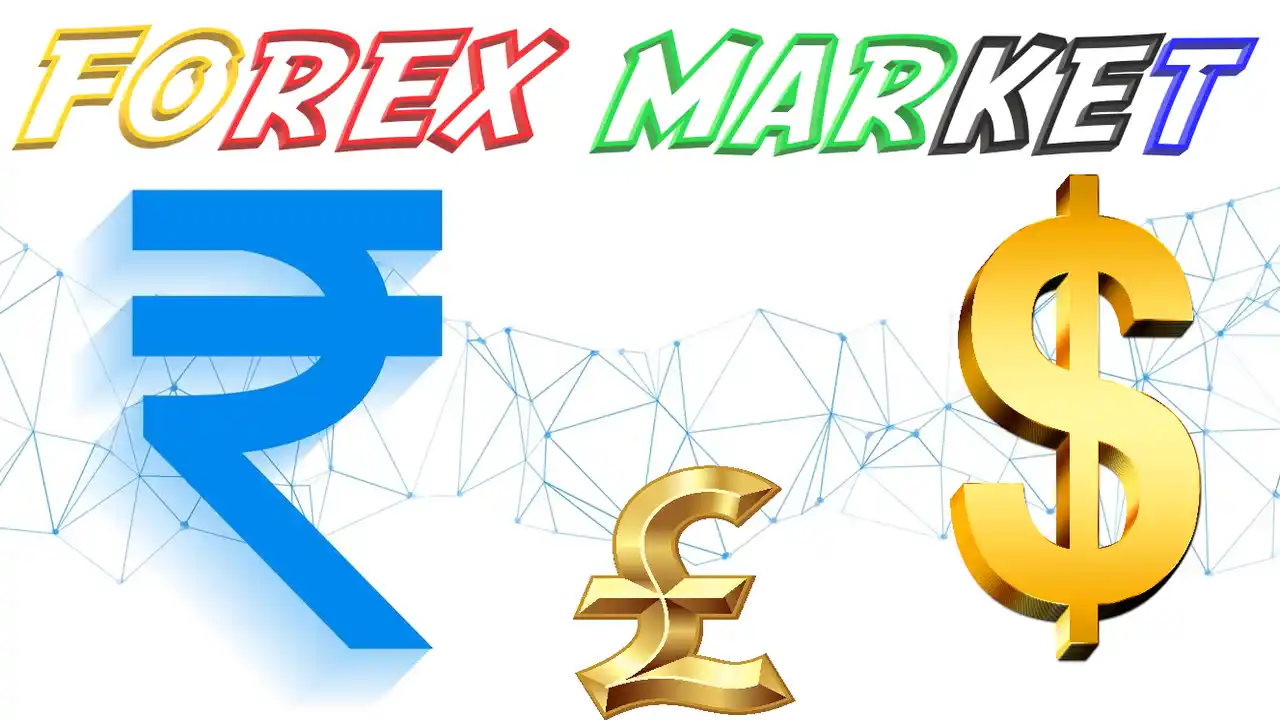
Futures markets, unlike forward markets, take place on regulated exchanges like the NSE. As a result, there are more buyers and sellers participating, leading to higher volume and lower risk than in the futures market.Futures contracts on the value of the Indian Rupee (INR), the Euro (EUR), the Japanese Yen (JPY), and the British Pound (GBP) are all available for purchase on the NSE. Cross currency futures and options contracts on the Euro-U.S. Dollar (EUR-USD), the U.S. Dollar (USD), and the British Pound (GBP-USD) are also available for trading as part of the larger category of currency derivatives. The transparency of the futures market and the completion of all transactions in cash simplify trading, speculating, and arbitraging.
Types of Forex Market
The foreign exchange market ranks high among the world’s most consequential financial exchanges. The foreign monetary system would collapse without their services. Employees need to have faith in their coworkers and the work they do for the company in order to do a good job. A reliable person places a high priority on fulfilling their obligations under the terms of the contract. For the sake of illustration, let’s imagine that two parties have entered into a forward contract for a currency pair in which one party agrees to purchase and the other agrees to sell. In this post, we’ll examine the types of forex market and grab extensive knowledge on the topics.
Fixing the Foreign Rate
The daily exchange rate of a country’s currency is determined by the foreign exchange setting implemented by the central bank of that country. The goal is for central banks to use the setting time and exchange rate to observe the behavior of their own currencies. While setting exchange rates, they give due consideration to market stability. Banks, brokers, and traders utilize “fixing rates” to assess the market direction.
The Choice Market
When trading in the options market, investors determine the date and exchange rate for currency exchange. The investor has no obligation to execute the currency exchange at a specific moment. There are five distinct types of foreign exchange markets found across the country. Currency conversions are quick and simple thanks to the market. To enter the foreign exchange market, one simply needs to open a demat trading account. Traders can utilize all available options for converting currencies during their trades. As the world becomes increasingly interconnected, more and more transactions will need the usage of foreign currencies. Money exchanged at airport kiosks, government and bank transfers all count as foreign currency transactions.
The Immediate Market
Currencies are traded between buyers and sellers on the spot market. This occurs rapidly and without any problems. The spot rate, which is the current exchange rate, must be used to pay for the transactions because of how they operate. Spot market traders don’t have to worry about the possibility of a price change between the time of the deal and the time of the transaction due to the market’s inherent volatility. The forex market, also known as the foreign exchange market, encompasses several types of forex market that cater to different trading needs and preferences.
Swap Market
Two investors engage in a swap transaction when they simultaneously borrow and give two distinct currencies. The first investor borrows money from the second and then uses that money to repay the first investor. This transaction allows them to avoid the uncertainty of the foreign exchange market.
Foreign Trading Companies that are not Banks
Non-bank foreign exchange providers can handle money exchange and payments for international business transactions. It is possible to distinguish them from “foreign exchange brokers” who do not engage in speculation, despite sharing the same name. Instead, they assist customers in exchanging currency via payment, which typically involves wiring funds to a bank account.
Futures Market
Payments and distributions in the futures market must be provided at a predetermined exchange rate. The name for this rate is “future rate.” The formal nature of the commercial transaction or arrangement ensures a higher likelihood of not altering its terms. Traders in control of the majority of transactions can expect a consistent rate of return on their investments. Regular purchasers typically engage in futures trading. Types of forex market provides a regulated environment for speculation, hedging, and risk management.
Retail Foreign Exchange Traders
There are two primary categories of retail FX brokers that facilitate speculative currency trading. Market makers are traders and dealers. Brokers find the best market price and execute trades for retail orders. They add a surcharge or mark-up to the regular price. Dealers and market makers play a prominent role in transactions by setting the selling price, unlike ordinary buyers and sellers.
Investment Management Firms
The foreign exchange market facilitates the swift purchase and sale of overseas assets by investment management firms. These companies typically deal with large accounts, such as pension funds and endowments, in the foreign currency market. The manager of an international stock portfolio may have to buy and sell many currency pairings in order to generate the funds necessary to invest in foreign stocks. Furthermore, certain financial firms employ specialists in extremely high-risk currency overlay activities. Companies can make money and decrease risk by managing their clients’ currency exposures through these actions. While few in number, these companies are wealthy and adept at forming profitable partnerships.
Commercial Companies
The foreign exchange market is highly sensitive to the strategies that companies employ when attempting to acquire foreign currency to pay for imports and exports. Companies often trade considerably smaller sums than banks or traders, and their transactions have little impact on short-term market rates. However, a country’s trade volume still has a significant impact on the trend of its currency over the long term. If a multinational corporation (MNC) insures a lot of money or property against dangers that most people don’t know about, it could have an unexpected impact on the market.
Forward Market
The forward market is the most common types of forex market. The third category of FX market is the forward market. This marketplace functions similarly to the futures market. The parties shall negotiate the terms of the agreement, and the agreed-upon conditions are subject to alteration or modification to suit the interests of all parties. Freedom is much greater in the forward market than in the futures market.
FAQ
What are the Biggest Dangers in Forex?
There are three types of dangers associated with dealing in foreign exchange: transaction risk, economic risk, and translation risk. Exporters, purchasers, and businesses that operate in global marketplaces are extremely vulnerable to fluctuations in the value of foreign currencies.
What is the Best Way to Trade?
Investors who want to purchase and sell stocks before the market closes for the day engage in intraday trading. Continuously monitor your portfolio for profitable trading opportunities, like selling stocks. If you invest in the proper firms on an intraday basis, you could see a significant return on your capital.
What does “volume” Mean in Forex?
The number of lots exchanged in a certain currency pair during a given time period is the “volume” in foreign exchange. That is, the total value of all monetary transactions. Looking at volume alongside other factors, such as price action and movement, can help you determine whether or not a trend is likely to continue.
Final Words
Two parties can exchange money and interest denominated in different currencies at a later date through a currency swap agreement. These transactions include a change of currencies. Parties have agreed on a fixed interest rate. This article covers types of forex markets and provides examples for your convenience. For more insights on features of forex market topic, check out this informative blog post.